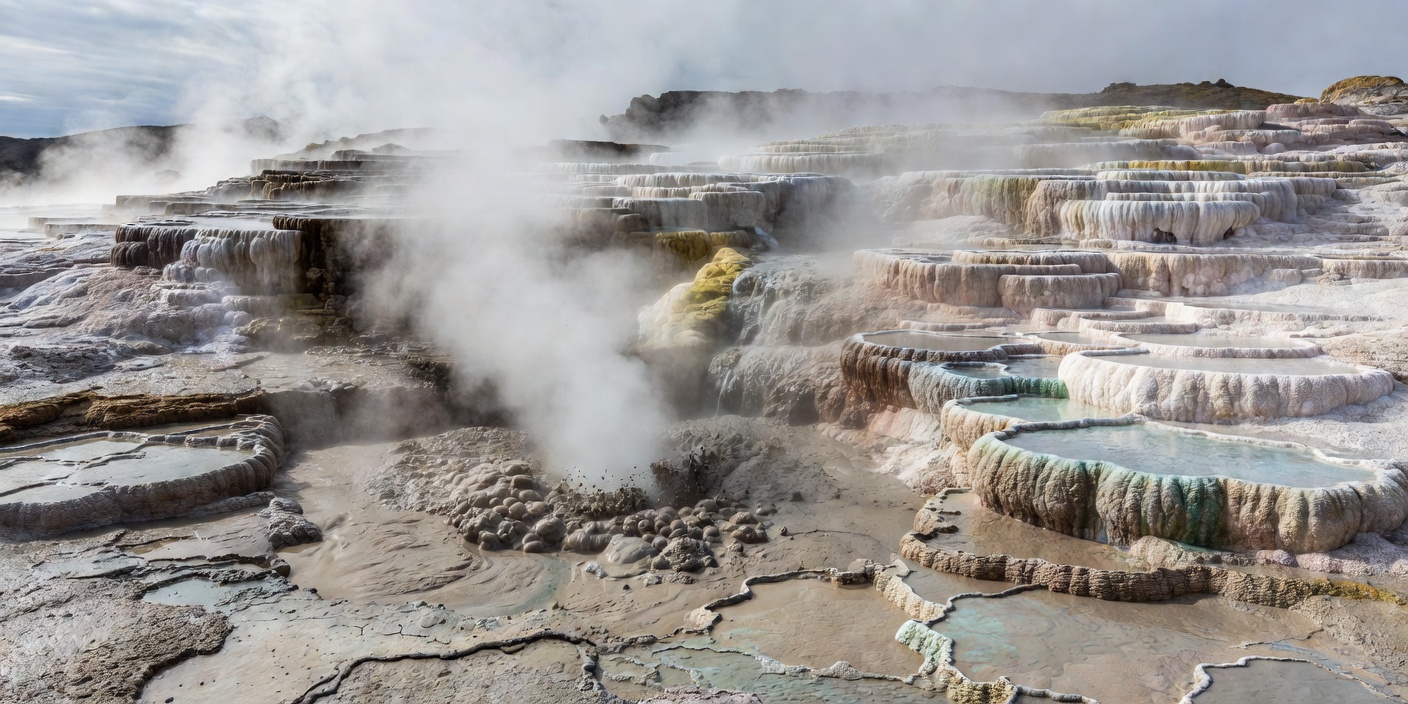
The Living Caldera of Te Whakarewarewa
Situated directly inside the active Taupō Volcanic Zone, Rotorua is New Zealand’s undisputed geothermal and indigenous cultural heartland. For over 700 years, the sub-tribes of the Te Arawa waka (canoe) have lived symbiotically alongside steaming vents, thermal hot pools (ngāwhā), and bubbling mud cauldrons, harnessing earth’s subterranean heat for communal cooking, natural mineral bathing, and building heating.
At the center of this cultural landscape sits the Te Whakarewarewa Valley, home to the internationally renowned Pōhutu Geyser—the Southern Hemisphere's most active geyser—which erupts up to twenty times daily, propelling mineral-rich boiling water up to 30 meters into the sky.
Te Puia: Safeguarding Ancient Māori Arts
Te Puia serves not only as a natural sanctuary for geothermal activity and native Kiwi conservation, but as the home of the New Zealand Māori Arts and Crafts Institute (NZMACI), established by parliamentary mandate in 1963. Here, master carvers (Tohunga Whakairo) teach emerging artists the sacred techniques of wood, stone, and bone sculpting, preserving the oral genealogies and visual symbolism embedded in meeting houses (wharenui).
🌿 Tikanga Māori Etiquette for Travelers
When entering a sacred marae or geothermal reserve, always observe tribal tikanga (customary protocols). Never step over food baskets, remove shoes before stepping onto the wharenui carved porch, and avoid touching sacred ancestral totems unless explicitly invited by an elder (kaumātua).
The Geothermal Hāngī Tradition
A central ritual of Māori hospitality (manaakitanga) is the preparation of the hāngī feast. Rather than using conventional subterranean stone-pit fires, Rotorua locals utilize natural geothermal steam vents known as ngāwhā. Root vegetables (kumara), lamb, pork, and pumpkin are wrapped in baskets and lowered into volcanic steam boxes, cooking gently for several hours to achieve an unmistakable smoky, tender flavor profile.
Top Geothermal Wonders Around Rotorua
Beyond Te Puia, the wider Rotorua district features an extraordinary variety of volcanic landscapes:
- Wai-O-Tapu Thermal Wonderland: Famous for the 70-meter Champagne Pool with its vibrant orange antimony-rich mineral rim.
- Waimangu Volcanic Valley: The world's youngest geothermal system, formed entirely after the catastrophic 1886 Mount Tarawera eruption.
- Kuirau Park: A free public botanical reserve in central Rotorua featuring active steaming lakes and thermal foot soaking baths.